See Artipelag's large exhibition,
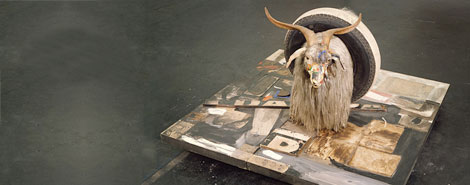
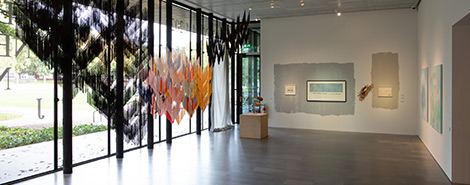
I Follow the Sun – sunflowers in art 1889-2024. Shown here include Emil Nolde, Carl Larsson, Ai Weiwei, Elina Brotherus, Anselm Kiefer, Lena Cronqvist, Fernand Léger and Aura Rosenberg. The exhibition is on display until January 5, 2025, read more and book your tickets via the website. On Saturday 19 October at 2 pm, Magnus Jensner will lecture on Olle Bærtling's early works and artistic development. The lecture is included in the admission price, pre-book your place via the website. See more program items linked to the exhibition on the website. Enrich your parental leave with a baby carrier display of
I Follow the Sun. room every Tuesday at 11:30 and is included in the entrance fee. Artipelag extends the art experience
Imagine Van Gogh until February 2, 2025! Step into the fantastic world of Vincent van Gogh and let yourself be overwhelmed by timeless works projected onto the walls and floor in Artipelag's Artbox. See I
magine Van Gogh at a lower price on Wednesday evenings, from 17.30 the entrance price is only SEK 195/person (regular price SEK 260). Read more and book your tickets via the website. Spend the evening with art! Artipelag is open until 19:00 on Wednesdays. Now visitors can take part in exhibitions, experiences in Artboxen, food and drink in Bådan Café & Patisserie and design in the Design store even after working hours. Discover Artipelag's outdoor exhibition Sculpture in nature. Walk the promenade and see the sculptures along the water, in the meadows and in the forest. Feel free to deepen the sculpture walk with our audio guide or folder with a map and information about each work. Spend the autumn holidays at Artipelag! Free autumn holiday workshop, art show for children, guided walk, autumn holiday prices at Imagine Van Gogh and brunch, Artipelag offers several fun and creative activities for children on autumn holiday during week 44. Read more on the website.
Opening hours: Tue-Sun 11am-5pm, Wed 11am-7pm.
Entrance: See artipelag.se for the various exhibitions.
Artipelagstigen 1, Gustavsberg.
08-570 130 00.
www.artipelag.se